



From local stages in Central New York to gaining national recognition, Joe Davoli has built a career rooted in both performance and education. A gifted fiddle player with a deep appreciation for tradition, Joe is just as passionate about passing on the joy of music as he is about playing it himself. Whether he’s guiding a student through their first tune or helping advanced players learn to play by ear, Joe creates a teaching environment that celebrates growth, creativity, and connection through music.
What first drew you to the fiddle, and how did you discover your passion for teaching it?

My parents noticed my love of music when I was very young. On the way home from concerts, they noticed I would hum the music we just listened to. Thinking I was too young to start formal music lessons, they put it on the back burner. My Mom later saw an advertisement in the Pennysaver for Suzuki violin lessons. The rest is history.
I tiptoed into teaching but as soon as I saw how excited musical progress made my students, it became a passion.

What do you enjoy most about working with students and helping them grow as musicians?
Watching my students grow as musicians brings me a lot of happiness. The studies and clichés about music and learning an instrument are true. Helping a student develop a skill that is lifelong, brings a smile to their face, and makes others tap their toes brings me great joy.
The fiddle has such a rich history—how do you weave that tradition into your lessons?
The great thing about playing and teaching fiddle is that it has a great history, not just here in the US but worldwide. It’s an aural tradition historically meant for dances. Students need to appreciate that. We do a lot of listening and work on the skills necessary to learn music by ear – it’s much like learning a language.
What’s one common challenge students face when learning the fiddle, and how do you help them overcome it?
Sometimes my biggest challenge as a teacher is when students, even if advanced, come to me only being able to play music via reading. Although a valuable skill, playing fiddle and improvisational styles of music is a different discipline. That being said, I have never had a student I wasn’t able to help make the transition.
In sports you hear the term “hand eye coordination” a lot. When learning traditional music, I like to call it “hand ear coordination.” Every week we work on exercises that help connect the fiddle to the inner ear.

Can you share a memorable moment or success story from your teaching career?
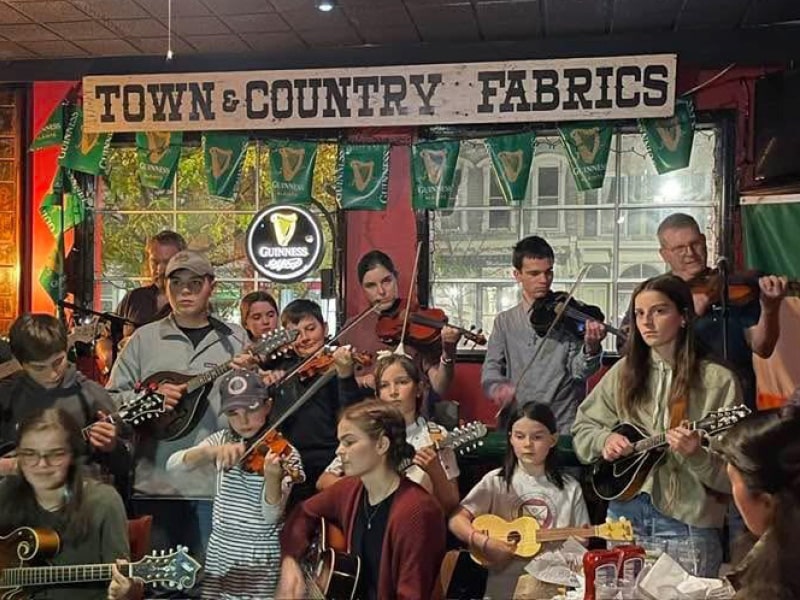
Many of my most memorable moments as a teacher are watching my students play publicly. It takes a lot of guts. Fiddle music is folk music — music for folks. I love it when my students recognize how happy their music makes other people. Whenever it’s conducive, I often get students up on stage to play with me at my gigs if they are prepared and have been working hard.
What advice would you give to someone who’s just picking up the fiddle for the first time?
Advice I have for someone picking up to fiddle for the first time: It is so rewarding! Immerse yourself in the music so you know what you’re trying to sound like. Listen and dedicate time. It’s not about how many years you’ve been playing, it’s about how many minutes.
Learn more about Joe and his teaching studio.
If you missed last month’s feature, check it out here!
Know an educator who deserves a mention? We’d love to feature them! Email us at: [email protected]

