



This article originally appeared on nymetroparents.com and was updated in 2026 for Family Times.
Earth Day is a wonderful opportunity to slow down, connect with nature, and show your kids that the small things we do every day really do make a difference. Whether you’re heading outside or keeping it cozy at home, here are 10 fun, family-friendly ways to celebrate Earth Day this year.

1. Go for a walk in nature.
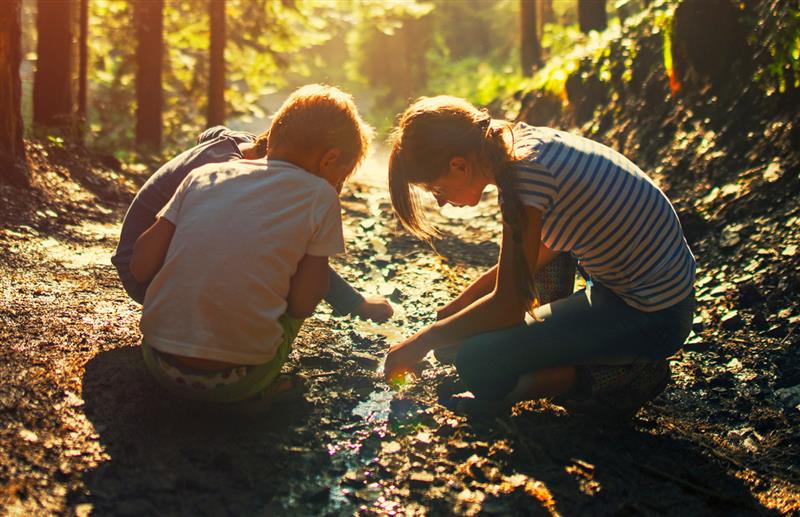
There’s no better way to celebrate Earth Day than getting outside and soaking it all in. Want to do some good while you’re enjoying the fresh air? Bring along some gloves and a few bags to pick up any litter you see — a great example for little ones about caring for the spaces we share.
2. Create a backyard nature scavenger hunt.
Head outside and turn Earth Day into an adventure with a nature scavenger hunt! Put together a simple list of things to find — leaves in different shapes, a bug, a bird, something smooth, something rough, signs of new spring growth — and let the kids loose. It’s a great way to slow down and actually notice the world around you, and younger kids especially love the thrill of checking things off a list. No backyard? A neighborhood walk or local park works just as well. For older kids, you can up the challenge by adding categories like “something that decomposes” or “an animal home” to spark a little curiosity and conversation about the natural world.
3. Watch zoo and aquarium livestreams.
Many zoos and aquariums focus their efforts on raising awareness and funds for wildlife conservation — including NYC’s Bronx Zoo, which is part of the Wildlife Conservation Society. You can find more livestreams of zoos and aquariums from across the country here.
4. Plant a garden — no matter what size.
In addition to being a fruitful (or vegetable, ha!) hobby, gardening has physical and mental health benefits for kids and adults. Gardening outside promotes movement (walking, squatting, and lifting), and you’ll get plenty of vitamin D—just remember to wear sunscreen! It also “connects us with nature, which has been shown to work wonders for children having a hard time focusing,” says Renata Fossen Brown in Gardening Lab for Kids: 52 Fun Experiments to Learn, Grow, Harvest, Make, Play, and Enjoy Your Garden—making it a perfect activity to combat those quarantine stir-crazies. Gardening can also be therapeutic, and it stimulates all five senses, which is beneficial for many children with special needs.
If you have a backyard or small plot of land, try planting one of these 20 plants that are ideal for your kid’s first garden. These picks were selected for their vibrant colors, fast-growing characteristics, and usefulness in everyday life. If you’re in an apartment with rooftop access or you have a balcony, try planting a salsa garden. A patch of constant sun, a few pots, and tomato, cilantro, jalapeño pepper, and bell pepper seeds are all you need to cultivate the main ingredients for some healthy nacho fixin’s. On the other hand, if you want to try something simpler—all you need is a window that gets some light!—try growing a mini herb garden to add fresh seasoning to some of your favorite home-cooked meals. However you decide to jump into gardening, just make sure it’s enjoyable and beneficial for all involved!
5. Stream a kid-friendly nature documentary.
These true-life films are entertaining and captivating for the whole family, but they also educate viewers about nature, the planet, conservation, climate change, and more. Plus, they’re all conversation-starters. After watching one of the below kid-friendly documentaries, ask your kids questions about what we can do to protect our planet.
Wings of Life — Ages 6+ | Disney+
Narrated by Meryl Streep, this Disneynature documentary explores the vital role of pollinators: bees, birds, bats, and butterflies.
Oceans — Ages 8+ | Disney+
A stunning look at Earth’s oceans and the creatures that call them home.
Chasing Coral — Ages 9+ | Netflix
A moving and awe-inspiring film that follows filmmakers and scientists documenting the decline of coral reefs, and what it means for our planet.
Our Planet — Ages 8+ | Netflix
David Attenborough narrates this visually breathtaking series exploring Earth’s diverse landscapes and the animals that inhabit them — with a clear and compassionate message about conservation.
A Life on Our Planet — Ages 10+ | Netflix
David Attenborough reflects on the dramatic changes he’s witnessed across his lifetime and shares his vision for a wilder, healthier future — a genuinely hopeful watch.
Cosmos: A Spacetime Odyssey — Ages 10+ | Disney+, Amazon
Hosted by Neil deGrasse Tyson, this series offers science-based storytelling about the universe, life on Earth, and our place in it all.
Chasing Ice — Ages 13+ | Amazon, YouTube
An award-winning documentary following photographer James Balog as he tracks the dramatic retreat of glaciers around the world.
6. Make a garden gnome.
If you do decide to grow a garden this year, or if you want to try growing something small this year before committing to a garden next year, have your kids help make grassy garden gnomes. Think: homemade chia pets!
7. Watch a movie with your family.
If getting your kids to sit through a documentary is a struggle, try watching one of these movies together. While they all have different storylines, they all touch on topics of climate, preservation, conservation, and nature.
Wall-E — Ages 5+ | Disney+
A nearly wordless adventure with big environmental heart — reducing, reusing, and rethinking our habits are woven throughout.
The Lorax — Ages 5+ | Netflix, Amazon
Dr. Seuss’s beloved tale, animated and accessible, with a strong message about protecting the world around us.
Fly Away Home — Ages 8+ | Amazon
A heartwarming father-daughter story about protecting Canada geese and their habitats that animal lovers will adore.
Avatar — Ages 13+ | Disney+
Action-packed and visually spectacular, with strong underlying themes about conservation and the deep interconnectedness of life.
8. Adopt a houseplant (or 10!).
Did you know houseplants are good for your physical, mental, and emotional well-being? The many benefits of houseplants include the below:
- Many plants improve indoor air quality.
- Being exposed to even a small amount of nature can help kids with schoolwork.
- Plants can boost your microbiome.
- Caring for houseplants can improve your mood and reduce stress.
- Plants teach kids to care for other living things without the commitment of a pet!
9. Try reducing family waste.
Sure, we all know the mantra ‘Reduce, Reuse, Recycle’ to limit the amount of trash that goes into landfills, but have you thought about exploring becoming a zero-waste household? While the switch to such a lifestyle can be overwhelming, there are 10 small, simple things you can do every day that will help you live a low-waste life, including:
- Switching to reusables containers
- Recycling correctly
- Composting food scraps
- Shopping at a farmer’s market
10. Start a family kindness-for-the-Earth challenge.
Earth Day is also a reminder that how we treat our communities is connected to how we treat our planet. Consider launching a simple week-long challenge with your kids: write one thank-you note to someone who cares for the environment, pick up litter on a neighborhood walk, donate gently used toys or books, or find a local volunteer opportunity. Small acts of care add up — and modeling that for your kids is one of the most meaningful things you can do.
Katelin Walling is the editorial director of NYMetroParents, the largest regional publisher of parenting content in the U.S. You can find more family activities and advice for visiting the NYC area at nymetroparents.com.
For more Earth Day activities, be sure to check out our guide to celebrating Earth Day in CNY!

